-1.jpg)
Maximize parks and recreation spaces by integrating multi-use green infrastructure, designing early master plans, and engaging the community.
Thoughtfully planned communities do more than reserve land for parks—they weave recreation, nature, mobility, and gathering spaces into the everyday fabric of neighborhood life. By considering green space early in the planning process, community developers can create more connected, resilient, and welcoming places that support health, sustainability, and long-term quality of life.
Here is a guide on how to plan communities that put green spaces first.
1. Build Multi-Use and "Sponge" Spaces
Space is often limited, so every square foot must work harder.
- Dual-purpose design: Create walking paths that double as nature trails and stormwater buffers.
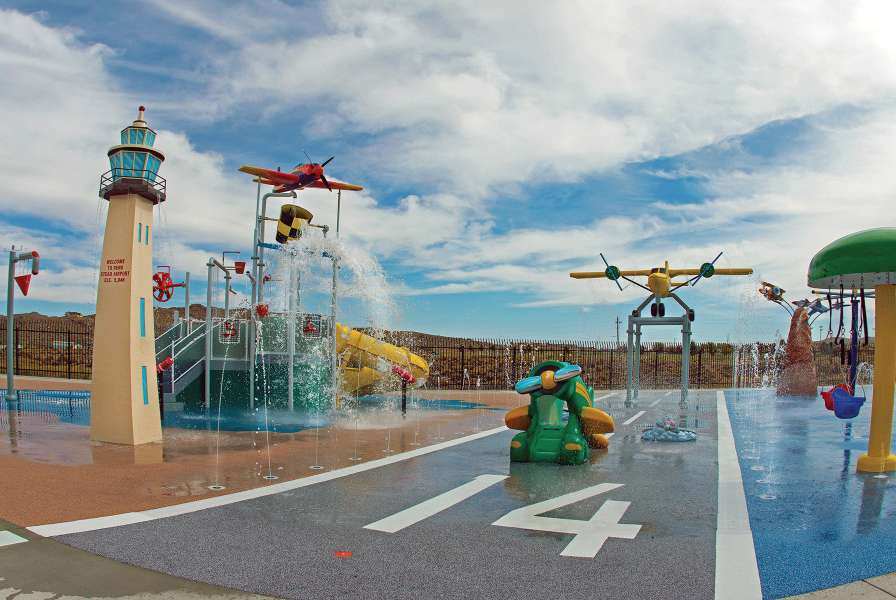
- Sponge parks: Build parks designed to absorb floodwaters during heavy rains while serving as playgrounds or open lawns the rest of the time.
- Vertical urbanism: Use rooftop gardens, sky terraces, and multi-level green spaces in denser areas where ground space is rare.
2. Prioritize Early Master Planning
Parks should never be an afterthought built with leftover land.
- Integrate early: Map out green networks before zoning lots and roads.
- Connect neighborhoods: Design greenways and bike lanes that link homes directly to commercial areas and transit hubs, reducing car dependency.
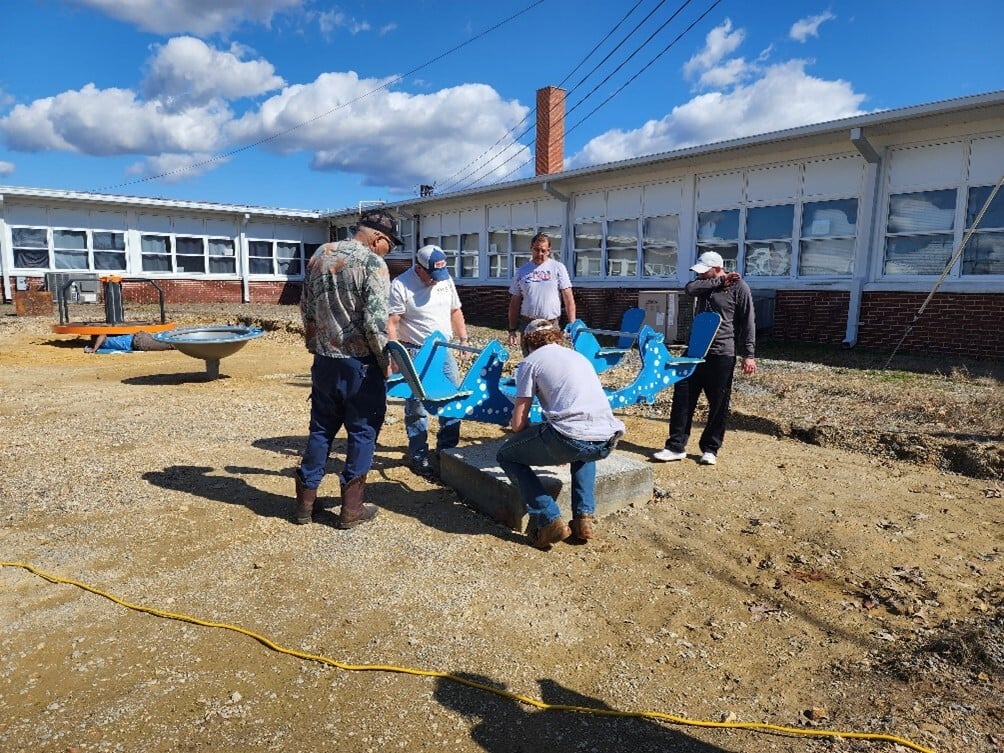
- Phased delivery: Roll out recreational amenities in stages so the community gains access early while keeping project costs manageable.
3. Engage Residents and Analyze Data
The best designs start by listening to the people who will actually use the space.
- Community input: Host workshops and online surveys to see what activities or age groups are underserved locally.
- Data-driven choices: Pair resident feedback with demographic trends and GIS mapping to ensure equitable access across the neighborhood.
4. Focus on Inclusion and Comfort
Great parks welcome visitors of every age and physical ability.
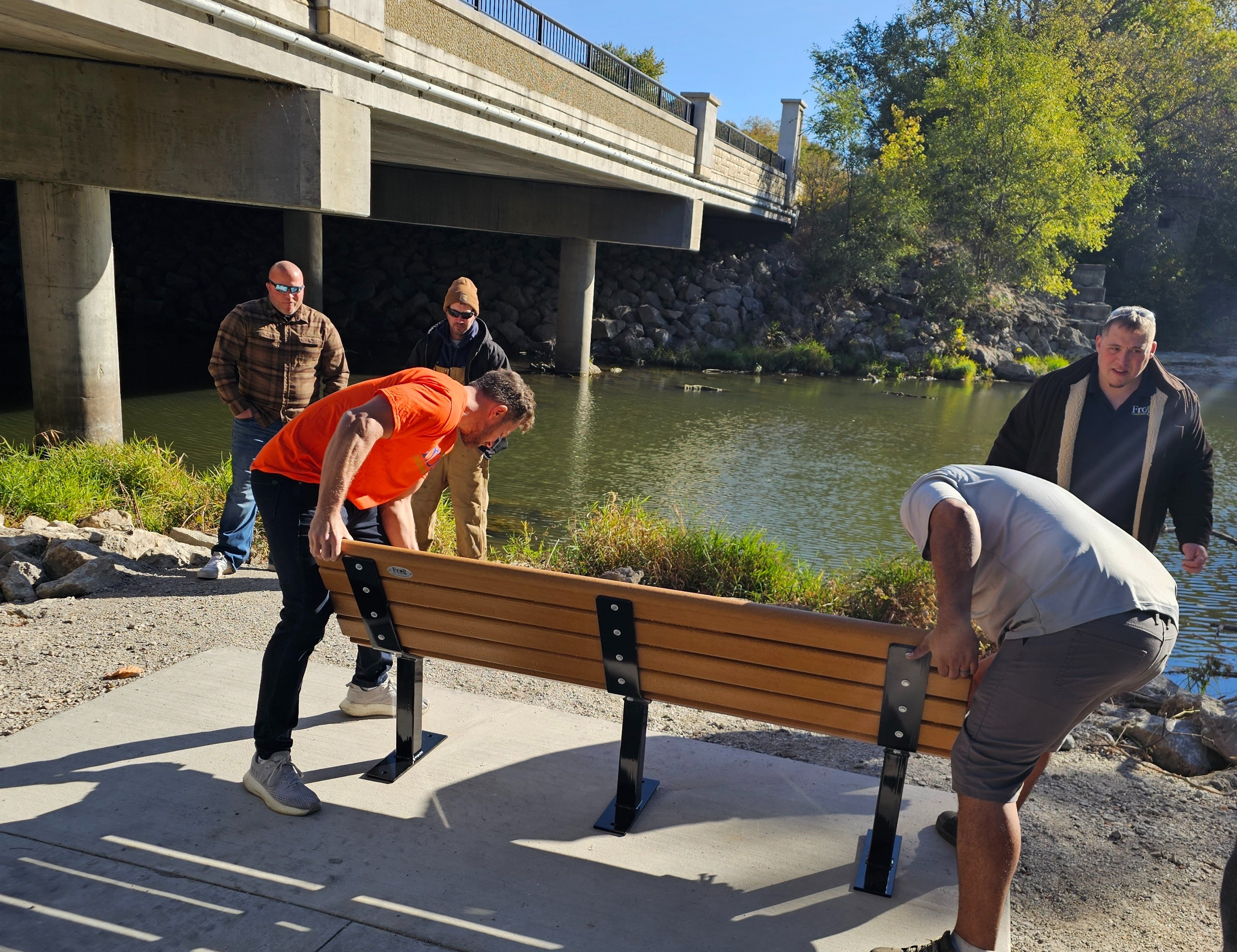
- Strategic seating: Place permanent benches along trails and near playgrounds so older adults or individuals with limited mobility can rest and explore safely.
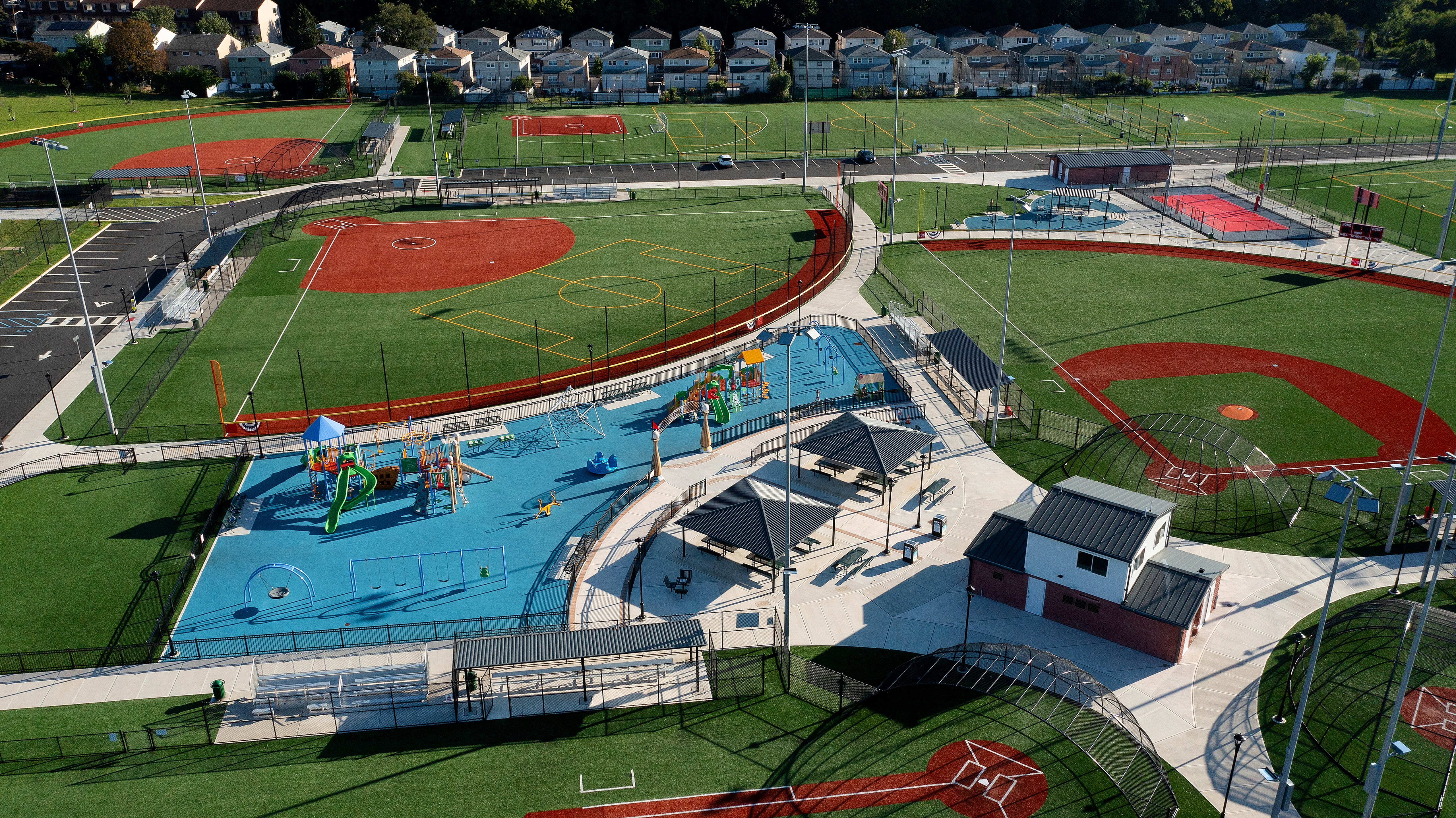
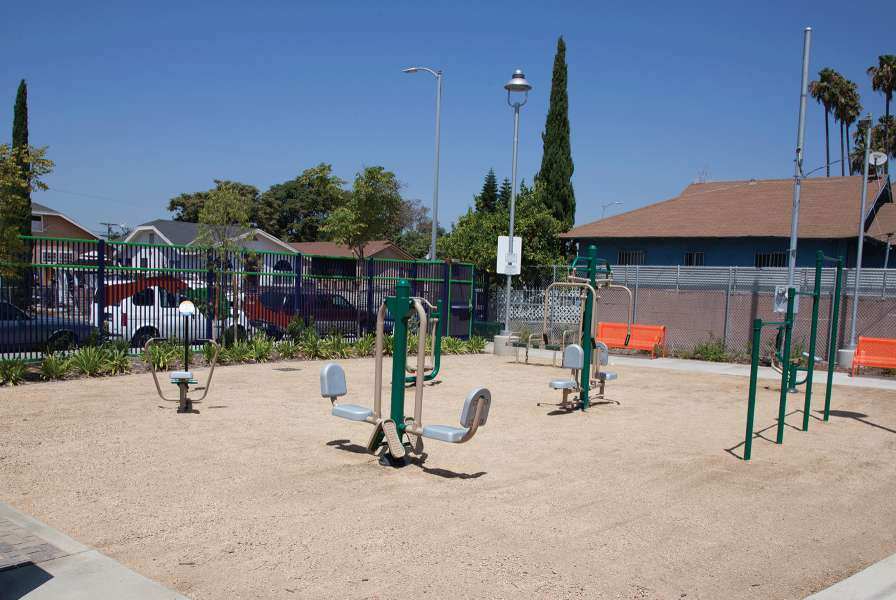
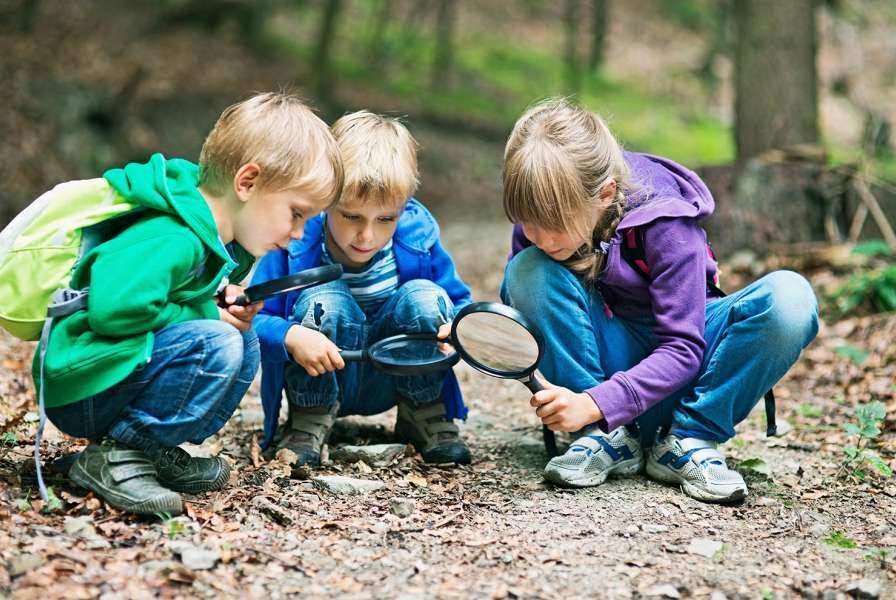
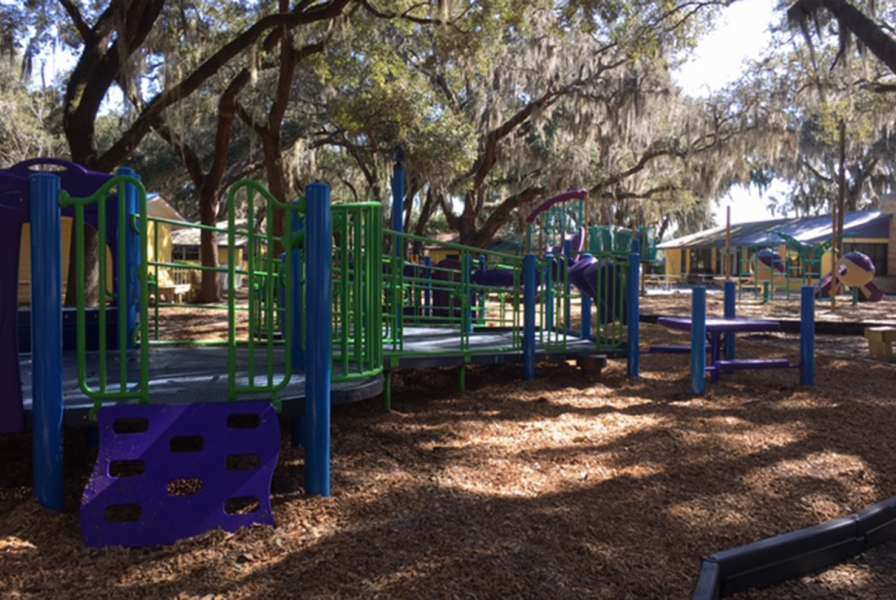
- Diverse amenities: Include dog parks, shaded picnic spots, fitness stations, and natural play areas to appeal to a broad cross-section of the population.
Check out PlayCore’s Center for Outreach Research and Education for more resources. From placemaking to design, to educational webinars, their free library can help identify strategies to maximize recreational opportunities and their family of brands can make specifying a full suite of products even easier. Ready to learn more? Contact us!