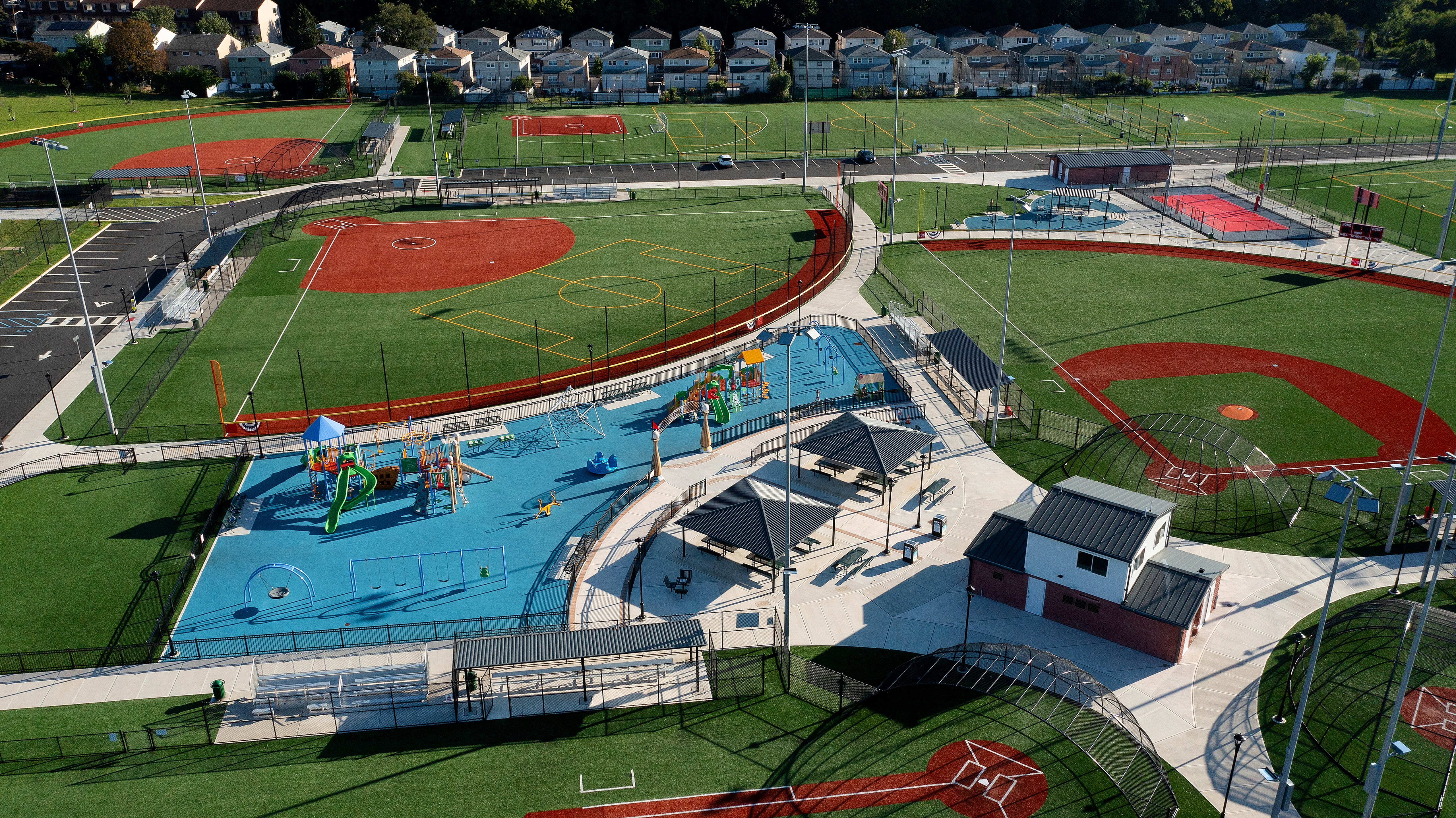
Plan inclusive, safe, multi-generational outdoor recreation spaces with evidence-based tools, community input, durable products, and turnkey support from concept through installation.
Why Do Quality Recreation Spaces Matter?
High-quality outdoor recreation spaces improve physical health, social connection, inclusion, and community resilience. The best spaces are intentionally planned for accessibility, safety, durability, programming, and long-term maintenance. PlayCore helps communities simplify complex projects by combining evidence-based resources, broad product options, data storytelling, and turnkey support.
How Do You Start Planning an Inclusive Recreation Space?
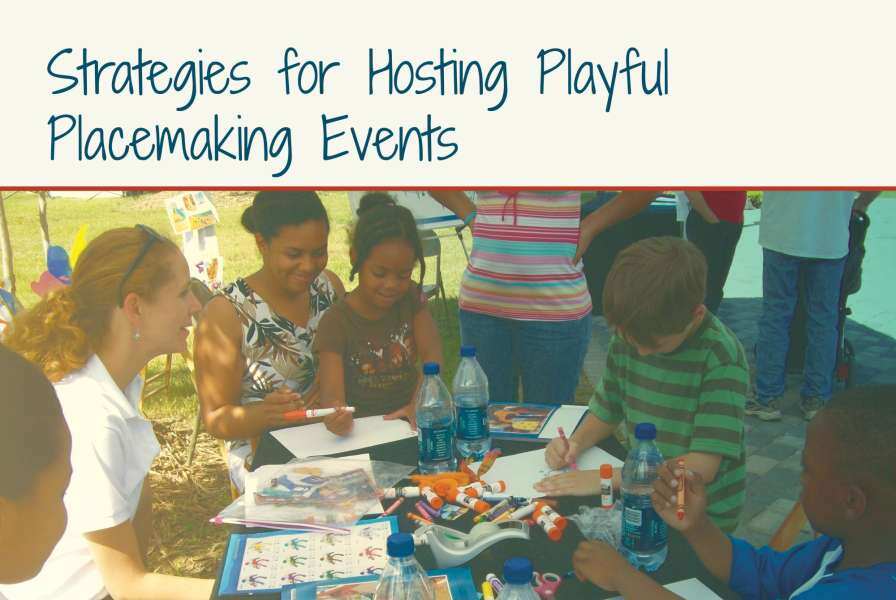
Start with a needs assessment. Map demographics, inventory the site, identify barriers such as access, shade, circulation, and surfacing, and gather input from youth, caregivers, disability advocates, older adults, maintenance teams, and community leaders. PlayCore’s Playful Placemaking helps communities use playful engagement to gather input and shape meaningful public spaces. Transformational Impact explains how intergenerational park and recreation settings support connection, activity, and community well-being.
What Makes a Recreation Space Inclusive?
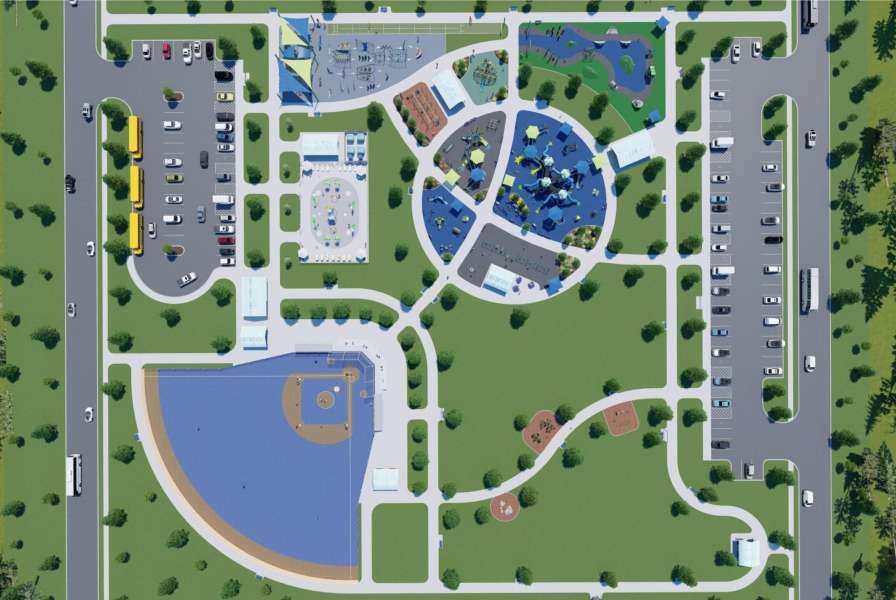
An inclusive recreation space supports participation from the parking lot to every amenity and back again. If one part of the access route fails, the experience fails. Designers should evaluate surfacing, curb access, pathways, seating, entrances, circulation, signage, shade, and proximity to amenities. PlayCore’s Choose to Include provides guidance for designing spaces where more people can participate together.
-
Universal access: Provide accessible routes, transfer systems, inclusive play components, and amenities that support people with diverse mobility, sensory, and communication needs.
-
Multi-age zones: Create spaces for toddlers, school-age children, teens, adults, older adults, and intergenerational use.
-
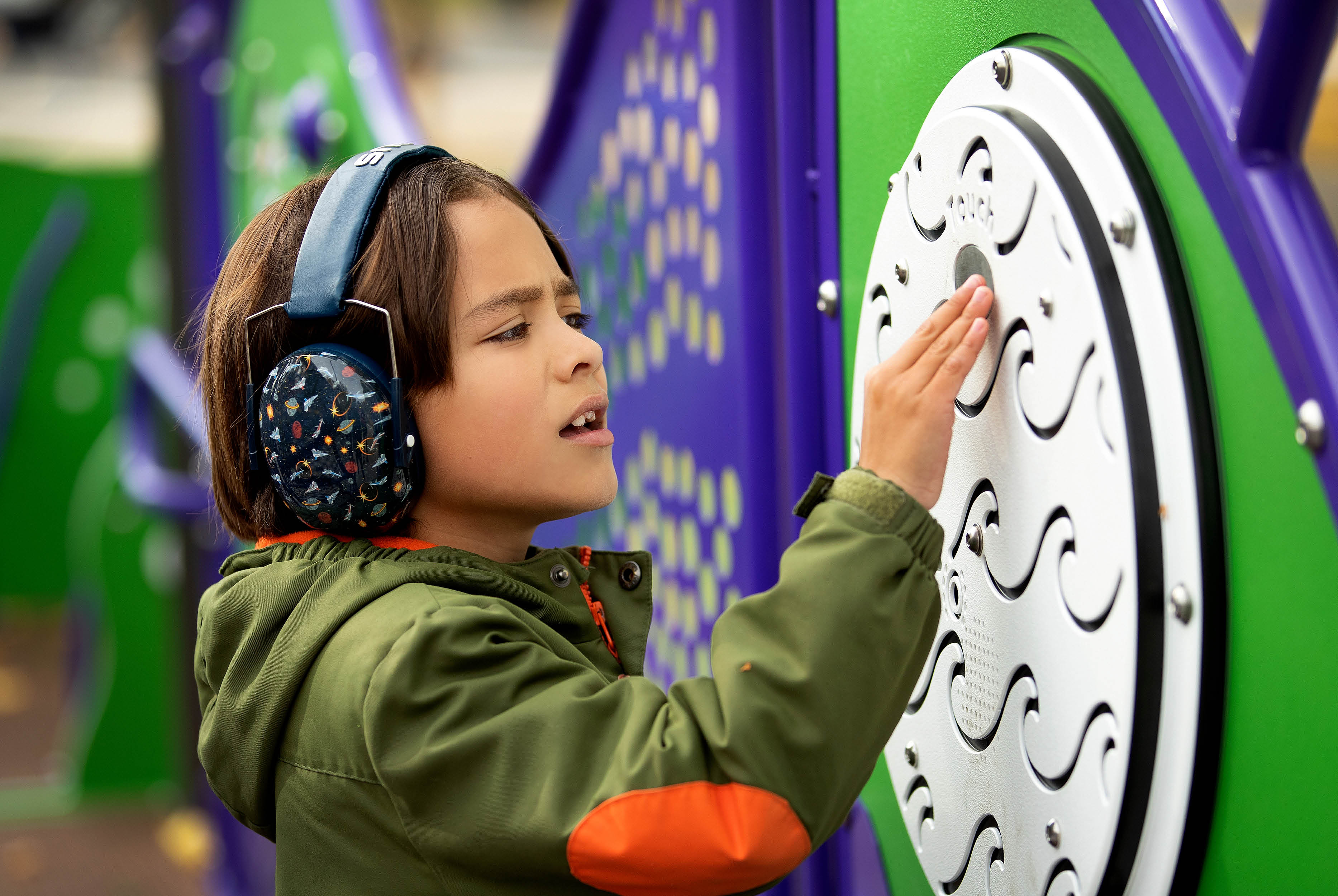
Sensory-rich options: Include tactile panels, musical elements, quiet areas, shade, varied textures, and plantings.
-
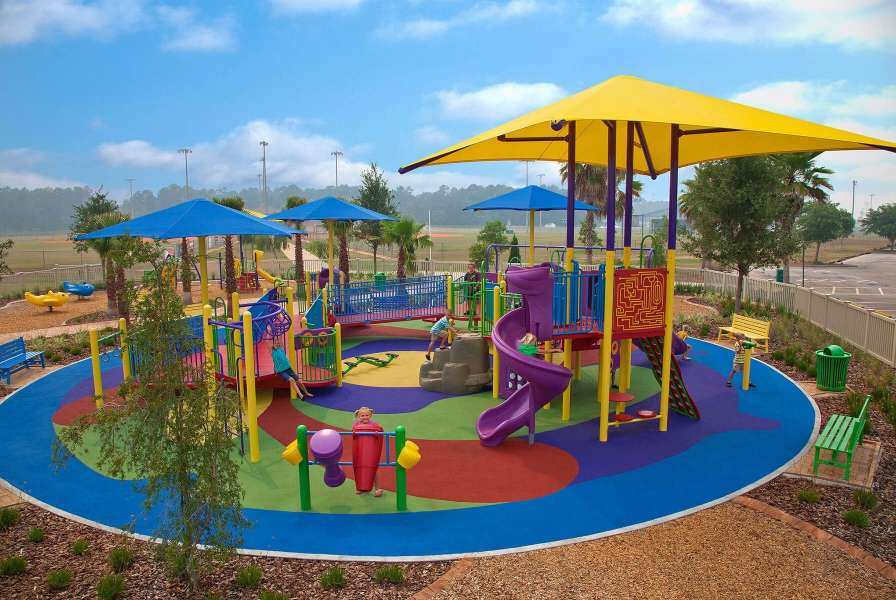
Choice and challenge: Offer low-risk, moderate, and advanced activities across playgrounds, splash pads, obstacle courses, fitness areas, and gathering spaces. The 7 Principles of Inclusive Playground Design can guide inclusive play planning.
Design for equity by removing physical, social, and communication barriers. Provide accessible surfacing, seating near key features, clear wayfinding, multiple communication formats, and comfortable places for caregivers and spectators.
How Should Equipment and Amenities Be Selected?
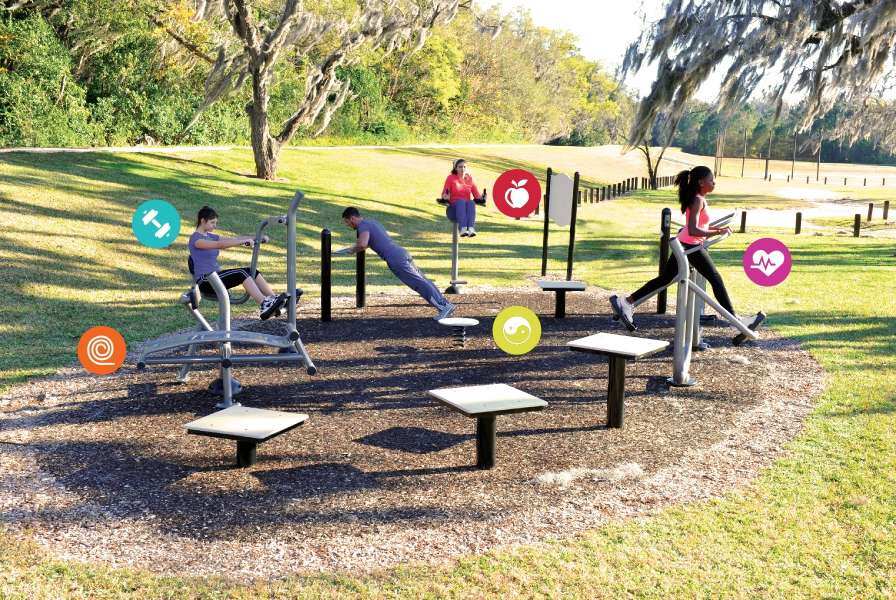
Select equipment based on community goals, site conditions, age groups, budget, maintenance capacity, and long-term use. Consider modular play systems, nature-based play, fitness zones, splash pads, dog parks, outdoor musical instruments, shade, seating, bike racks, lighting, signage, water access, and trash or recycling receptacles. When possible, use a single-source partner for design, products, installation, warranties, and accountability.
What Safety and Surfacing Factors Matter Most?
Safety depends on both design and maintenance. Choose impact-attenuating surfacing that matches equipment fall heights, such as unitary surfacing, engineered wood fiber, or synthetic turf with appropriate underlayment. Plan for drainage, trip-hazard reduction, inspections, repair budgets, and clear maintenance responsibilities. Confirm applicable standards and local requirements during design and installation.
Which Recreation and Spectator Features Increase Use?
High-use recreation spaces often include open lawns, walking loops, fitness stations, splash features, shaded seating, event infrastructure, and clear sightlines for caregivers and spectators. These features support everyday use, community events, supervision, and future expansion.
What Trends Are Shaping Recreation Space Design?
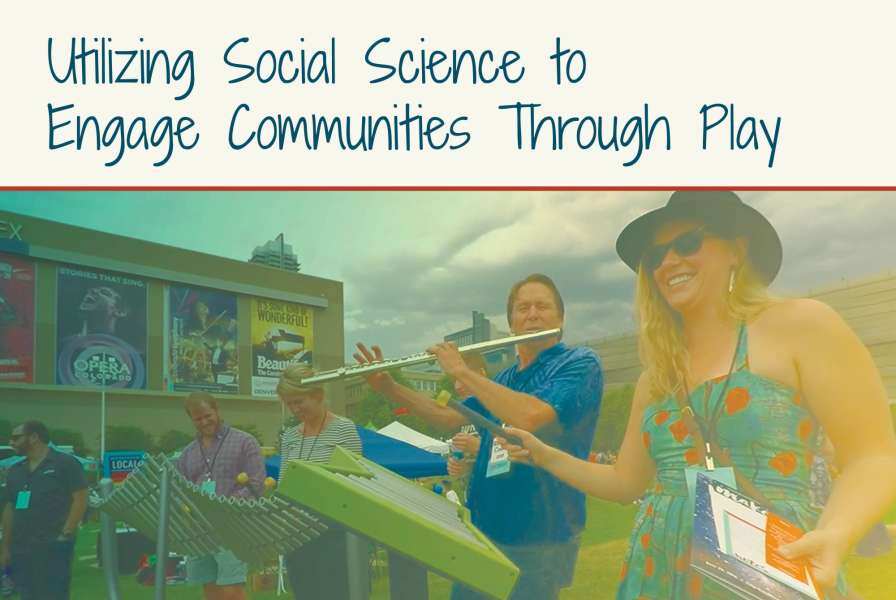
Current trends include nature-connected play, blended play-and-fitness circuits, digital-physical experiences, intergenerational programming, and data-informed planning. Strong case studies should document community engagement, use patterns, maintenance performance, and outcomes. For professional development and current best practices, visit education.playcore.com.
How Do You Move from Concept to Completion?
Use clear project phases: feasibility, funding, schematic design, specifications, procurement, installation, and post-completion review. A turnkey partner can reduce coordination, simplify contracting, centralize warranties, and support performance reporting for municipalities, schools, and community organizations.
Conclusion: Build Healthier Communities Through Play and Recreation
Inclusive outdoor recreation spaces are long-term investments in health, connection, and community resilience. The most successful projects use research-informed planning, early community engagement, accessible design, durable materials, clear maintenance plans, and partners who can support the full process from concept through completion.
Next steps: Contact our design team for a project consultation, download planning resources, or register for professional development to learn more about inclusive design, ADA transition planning, and evidence-based recreation solutions. We build healthy communities through play, recreation, and outdoor spaces. Everything you need, one trusted source.